

Balancing growth and preservation in Kiama’s Shoalhaven Street development

Local Contributor
18 January 2026, 10:00 PM
Rhian Thomas is an architecture post-graduate from the UK who is visiting Kiama. She has penned her thoughts on planning issues in the town.
In the development of lived-in urban areas, there is a compromise between preserving the heritage, culture and character of a place, and responding to the practical needs of the community.
Kiama’s development debate around the Shoalhaven Street Precinct sits within this dichotomy.
As housing demand increases and the NSW government requires 900 new homes in Kiama by 2029, the challenge is no longer whether change should occur, but rather how it can be integrated without undermining the defining qualities of the town.
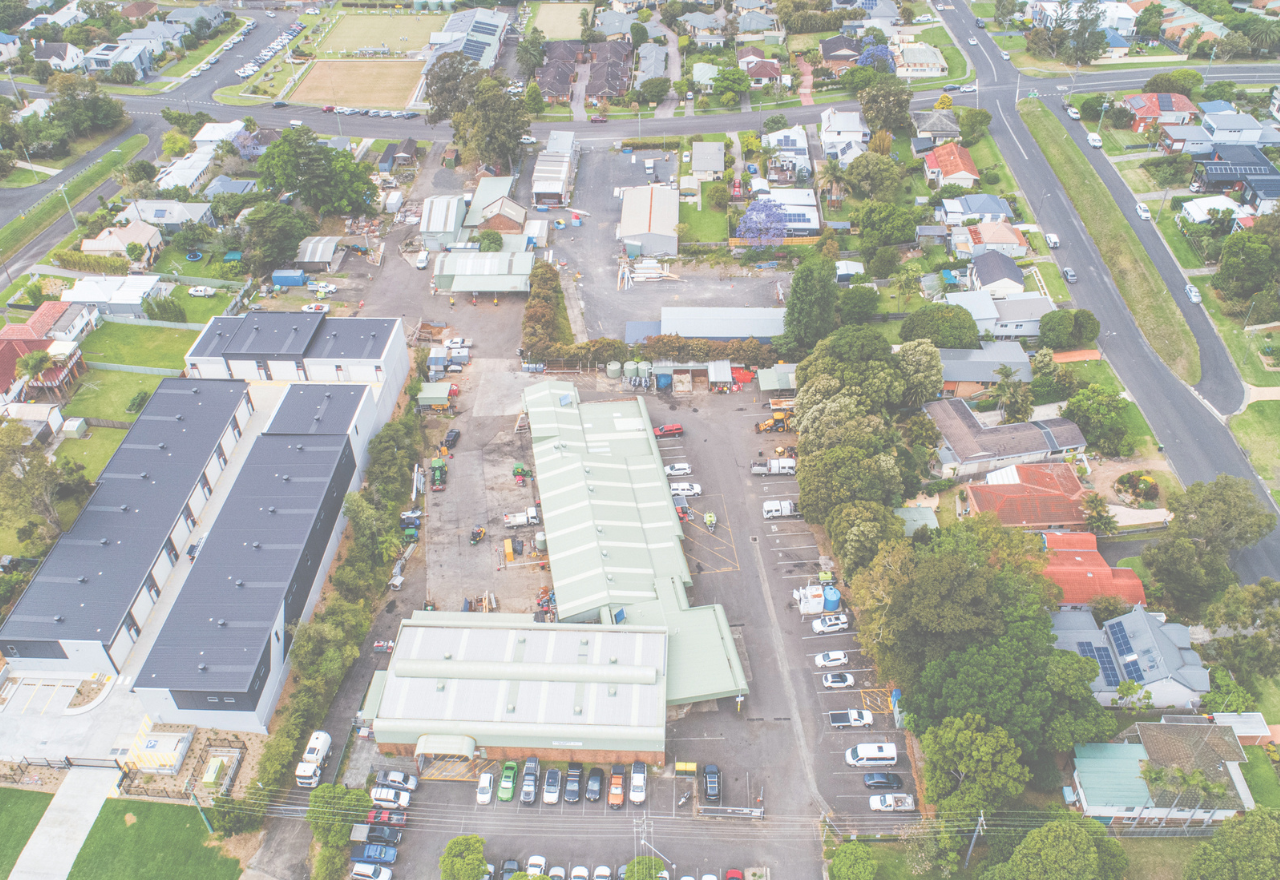
The redevelopment of the Shoalhaven Street site, a former industrial area, presents a rare opportunity for Kiama.
The land is underutilised, centrally located and already serviced by existing infrastructure.
Its regeneration aligns with the Kiama housing strategy, which encourages infill development close to transport, employment and services, rather than just greenfield expansion at the town’s edges.
From a planning and building perspective, this approach is more sustainable, but also requires careful consideration of how new density is introduced into established communities.
Once rezoned from industrial to residential, the site would, by default, fall within the NSW Government’s Low to Mid Rise Housing Controls, introduced last February.
These controls apply to residential land within 800 metres of a nominated town centre or train station and permit heights generally capped at 9.5 metres, or approximately three storeys.
This scale would closely reflect neighbouring residential properties.
However, the current proposal seeks to progress beyond this baseline by pursuing an R3 Medium Density Residential zoning, that would allow significantly greater height and density.
Buildings of up to 24 metres, or six storeys, are proposed to achieve an estimated 450 dwellings on the site.
While this scale aligns with government planning objectives, for local residents, the concern seems less about housing supply in principle, and more about how abruptly and drastically this scale of building will affect the landscape and community infrastructure.
Architecture and urban design can operate as tools to negotiate this balance.
For example, the proposal places considerable emphasis on landscape and public domain.
Approximately 38 per cent of the site is allocated to public open space and access-ways.
A central pedestrian route connects the precinct to surrounding streets, aiming to integrate this public realm into the existing townscape.
Similarly, communal gathering spaces are a recurring feature of the proposal.
The landscape strategy introduces layered, varied planting and elevated paths that reference Kiama’s original rainforest landscape, with design cues drawn from local precedents such as the Minnamurra Rainforest Walk.
The design also acknowledges the site’s industrial past as a former gasworks, proposing strategies to mark this heritage through material reuse, preserved site markings and public art installations.
From an architectural perspective, the success of the Shoalhaven Street Precinct will depend less on the headline height figure and more on how that height is handled.
Building facade, form, setbacks, stepping of upper levels and the relationship with neighbouring lower rise homes, will be critical in mitigating impacts on local residents.
These design decisions will ultimately shape how the development is experienced by future residents and the existing community.
As Kiama works toward delivering 900 new homes by 2029, the challenge lies in balancing growth with local amenity, culture and character.
The ongoing discussion should, therefore, extend beyond whether this development is six storeys high, to whether the design and public spaces meaningfully and appropriately respond to the people who already call Kiama home.
NEWS