
Beaches going to waste over sewerage problems

Paul Suttor
28 February 2026, 3:00 AM
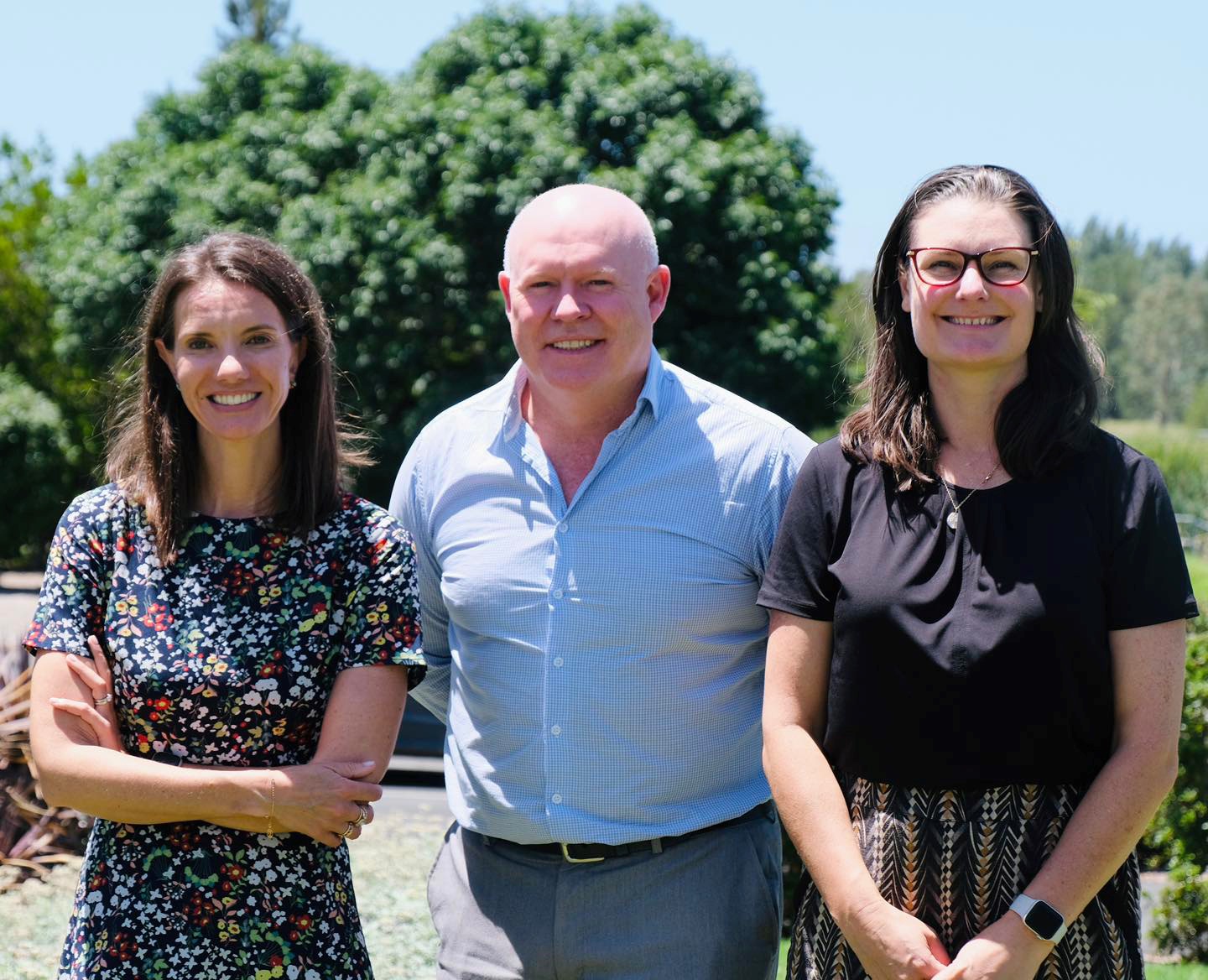 Rose Jackson, Cameron McDonald and Katelin McInerney.
Kiama Mayor Cameron McDonald is getting on the front foot over beach closures and environmental concerns caused by the local sewerage infrastructure being under immense strain.
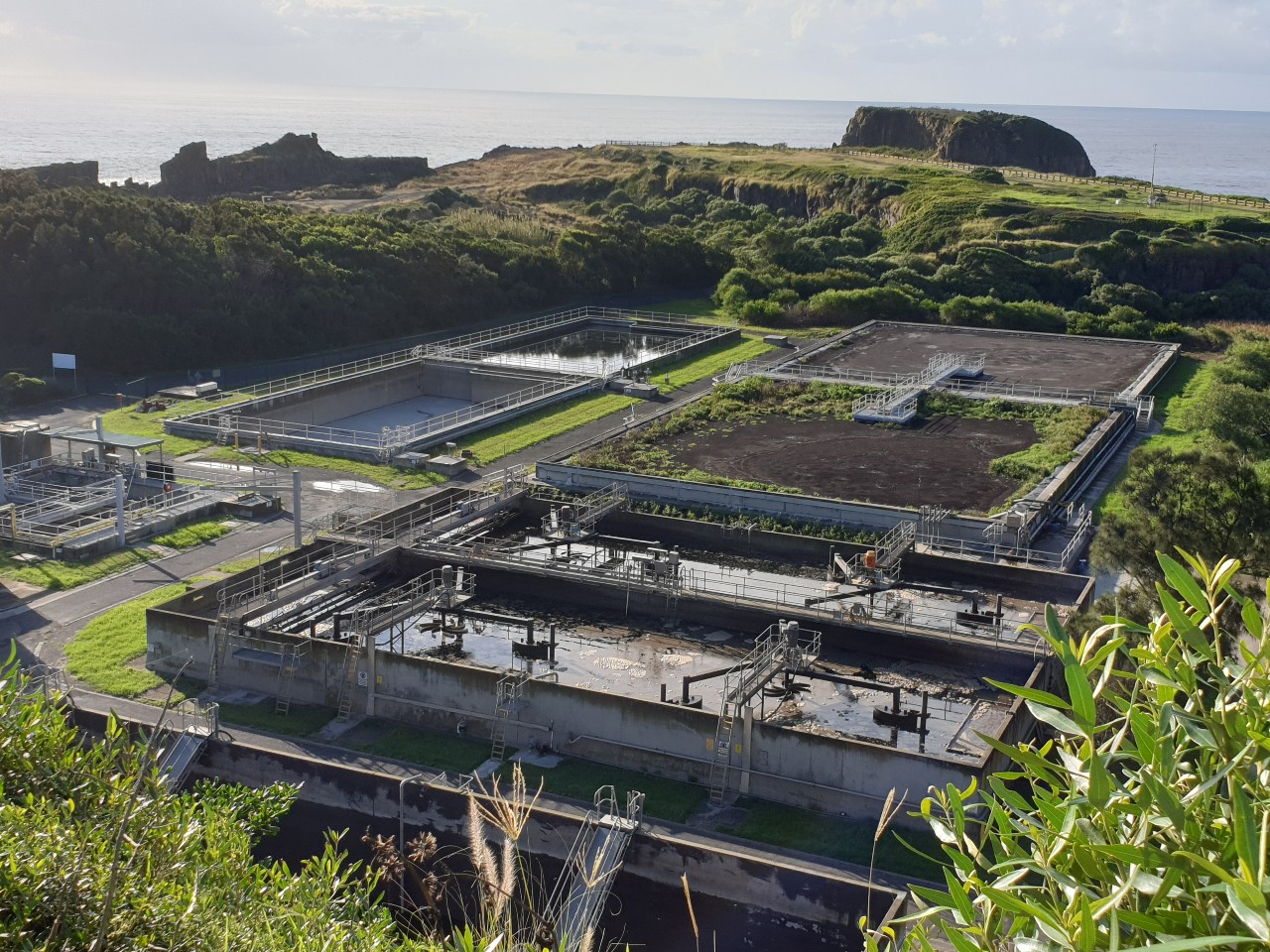
With the LGA under pressure to meet long-term housing targets, Cr McDonald said the Bombo Water Resource Recovery Facility is in serious need of being upgraded or replaced altogether.
Cr McDonald is worried that Sydney Water has not included Bombo in its Long Term Capital and Operational Plan which lists priority infrastructure projects over the next decade.
He recently met with NSW Minister for Housing Rose Jackson and Kiama MP Katelin McInerney to air his concerns and will next month hold further discussions with the Minister and Sydney Water CEO Darren Cleary.
Sydney Water has been in the news over the past week after it was issued with a Pollution Reduction Program by the NSW Environment Protection Authority.
A range of significant works, including fat removal from the Malabar Deep Ocean Outfall bulkhead area, will be undertaken as part of the EPA order to reduce the likelihood of further debris balls washing up on the state’s beaches.
These “fatbergs” have ended up on various parts of the state’s coastline, including beaches in Kiama and Nowra in late 2024 and again in 2025.
“We've been asking Sydney Water to listen to our concerns about fatbergs and the overall capacity of the system for a long period of time,” Cr McDonald said.
“The facility at Bombo is an old treatment plant and it's almost ‘end of life’. Lately they did some odour works, which is great to see. But it’s not enough to fix the real harder issues of age of the asset, overall system capacity, water quality treatment at discharge and ability to cope with growth.
“The system we've long known is under strain locally and when you have round balls that have broken off from fatbergs washing up on the beaches it's an indication that the whole system is not where it should be.
“So we wrote to Sydney Water on the last occurrence and said ‘what are they, what’s their origin and it's a public health issue’ because we don't want these fatballs washing up on our pristine beaches.
“It took about 14 months of meetings and letters to confirm that it was small fatbergs round balls, formed from wastewater sewage and fats released in the ocean outfall, many kilometres away from Kiama.”
Cr McDonald explained that Kiama was “at the end of the line” for Sydney Water geographically because the area south of Crooked River forms part of Shoalhaven Council’s water supply.
“But that doesn't necessarily mean that we should be thought of as last in the line of potential upgrades and works on the system,” he added.
“A lot of people come to the Kiama LGA to enjoy our beaches but with fatballs washing up and also after heavy rainfall, we’ve often got to close beaches because our local sewage system cannot meet the pressure that's put on it at that time.
“Our system is under enormous capacity constraints and any rain or change to the environment really affects the system.
“The system isn’t working at the moment and we’re wearing the environmental consequences of that. What I am after from Sydney Water is a plan, to be part of their long-term plan.”
Cr McDonald wanted to know why Sydney Water’s “long-term capital plan for the next 10 years doesn't mention Kiama or the Bombo treatment plant”.
“Being not on the 10-year plan is just not really acceptable for local people, especially with the questions about development that we're being asked to answer.
“We're being asked to increase housing supply underneath the direction from the Minister for Planning and Public Spaces and from the state and federal governments, and so we have always said that without the upgrade and provision of associated infrastructure then for us to do what we're being asked to do is a near impossibility.”
A population explosion on the horizon for Sydney and the Illawarra with Kiama looking to add 900 dwellings by 2029 and 3500 by 2040 as part of Council’s Housing Strategy.
A spokesperson for Sydney Water told The Bugle that “significant growth has been identified in the Kiama LGA since the development of Sydney Water's Long Term Capital and Operational Plan, and as such, we have been working closely with Kiama Council on its growth planning, prompting a review into our servicing strategy for the area.
“Sydney Water is now planning multiple growth projects in the wider Kiama area.
“The capacity of the Bombo Water Resource Recovery Facility (WRRF) is being assessed against the latest growth projections to determine when it will reach its capacity limits so that appropriate funding can be sought in a future price period.”
McInerney was confident that the NSW Government would step up to deliver the infrastructure needed for the region.
She was pleased that Sydney Water had committed to reviewing the Illawarra Regional Master Plan.
“We can’t turn back the clock but we are putting in the investment needed to meet the existing challenges and ensure the infrastructure is ready at the same time new communities and homes are coming on line.”
The Sydney Water spokesperson added that they would implement the Pollution Reduction Program measures in close collaboration with the EPA.
“The PRP outlines a comprehensive set of short, medium, and long-term actions to address the build-up of fats, oils, and grease (FOG) in the system and particularly in the hard-to-access bulkhead area of the Malabar Deep Ocean Outfall.
“These initiatives align with our broader $3 Billion Malabar System Investment Program, which involves significant infrastructure upgrades to support Sydney's growing population while enhancing environmental performance and reducing discharges via the deep ocean outfall.”
NEWS