
Habitat concerns put Gerroa Gliders at risk

Paul Suttor
16 February 2026, 7:00 PM
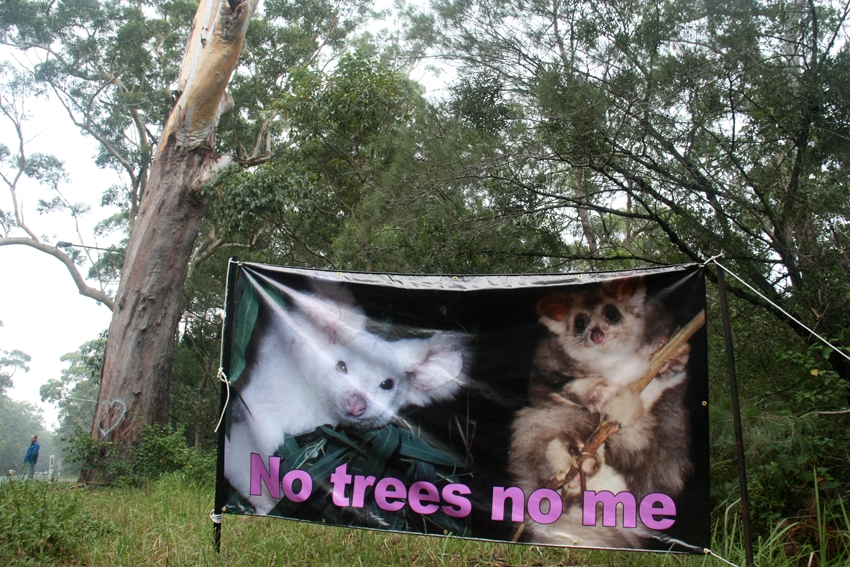
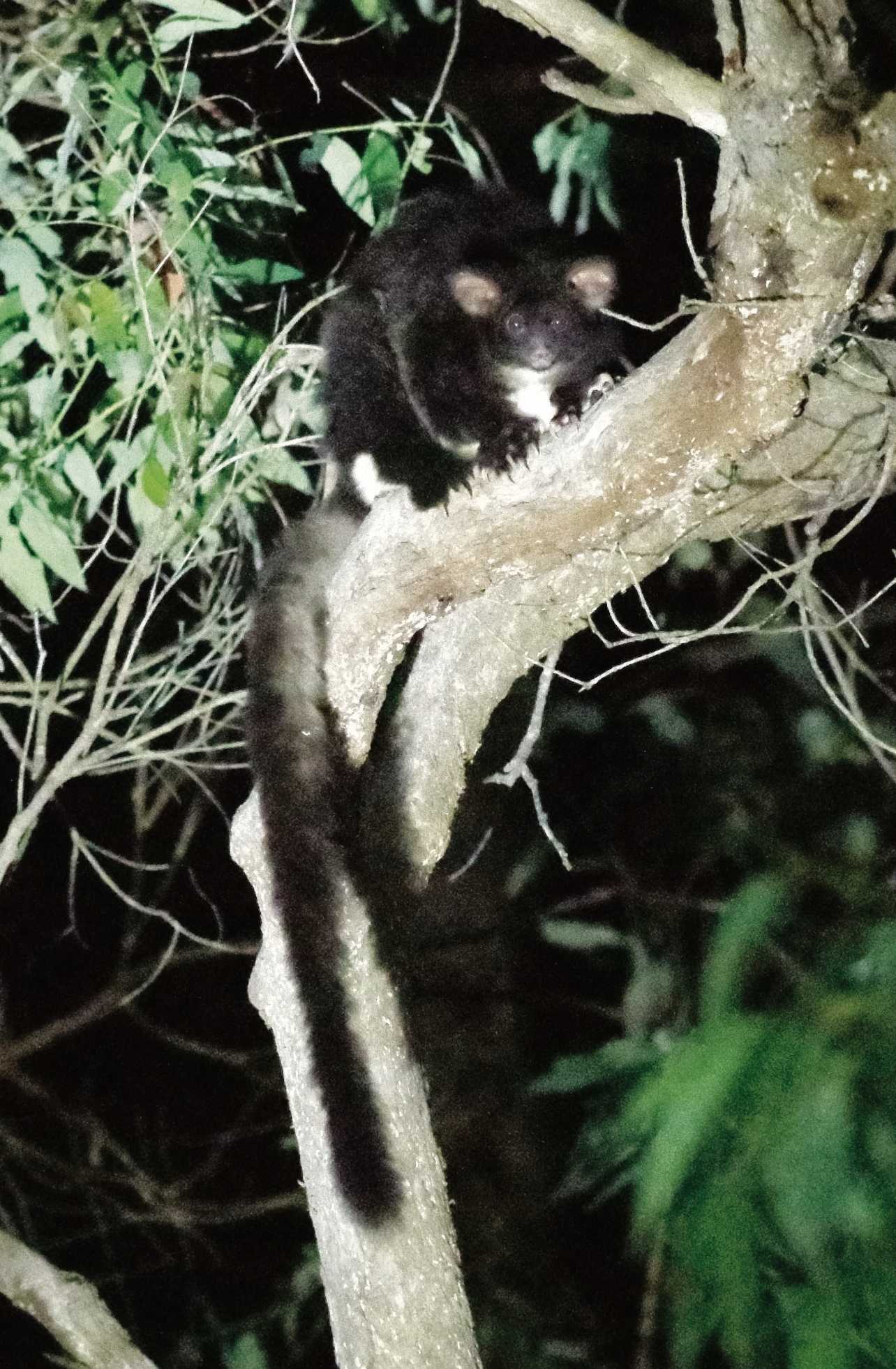
A widespread decline of the endangered Southern Greater Glider species across the South Coast has prompted Gerroa Environmental Protection Society to call for the expansion of Seven Mile Beach National Park.
The Society has spoken with Kiama MP Katelin McInerney about supporting an investigation into the expansion of the national park to protect the complex vegetation and to assist the survival of the Greater Glider population at Seven Mile Beach.
A recent study by Garry Daly in the Journal Australia Zoologist provides evidence that the beach may be one of the last strongholds of the Greater Glider on the South Coast.
The Southern Greater Glider has suffered severe declines in abundance and distribution across several National Parks, except for Seven Mile Beach, where populations have remained unchanged.
Daly warns a minimum habitat of 1000 hectares is needed to sustain a Greater Glider population and while Seven Mile Beach National Park is less than that, there is adjoining freehold and council managed lands that exceeds the minimum size to support a viable population.
GEPS secretary Howard H Jones said the study should be a wake-up call for action to be taken before it’s too late.
He said koalas used to inhabit the area around the beach in the 1950s but the ongoing loss of habitat led to their demise.
“This Glider population is particularly vulnerable.
"The problem is the disconnection from other populations in the hinterland and the small area of habitat within the Park available to support the local population,” he said.
“We are very concerned that development and sand mining pressure on land adjoining the Park could lead to further vegetation loss and fragmentation, and over time, to the loss of this Glider Population.”
Jones said the area is “unusually rich and diverse” and provides a habitat for 13 endangered and threatened species as well as eight Endangered Ecological Communities, including Coomonderry Swamp, the largest Coastal Freshwater wetland in NSW.
“Yet much of this biologically important vegetation, including this great wetland, is not protected within the National Park.
“There’s a lot of really good reasons to bring this habitat into the park.
“Much of the habitat is threatened by sand mining and development. There has been an ongoing reduction of the bushland and we don’t want to see that continue.”
Jones said McInerney seemed to be supportive of the Society’s call for an investigation into the issue but that it would likely take time to come to fruition.
GEPS conducts nighttime walks through the national park to spot the gliders when they are active.
“It’s a thrill to see them,” Jones added.
“The best thing is to actually see them glide but that’s a rare occurrence.
“Most people never see the glider because they’re very secretive and they only come out at night so it can be hard to generate community awareness.”
NEWS