

When the country boys came to the big city

Mark Emery
02 February 2026, 12:00 AM
A century years ago, it was a big thing for country people to go to the big cities like Sydney.
It took a long time to get there and many country people rarely, if ever went.
Country rugby league has always been strong. Many champions have started in the country teams before starring in the top grade in Sydney.
Gerringong legends Paul Quinn and Michael Cronin are but two examples.
Virtually all these players represented country teams.
Country rugby league is divided into groups. We are in Group 7 on the South Coast, based around Kiama.
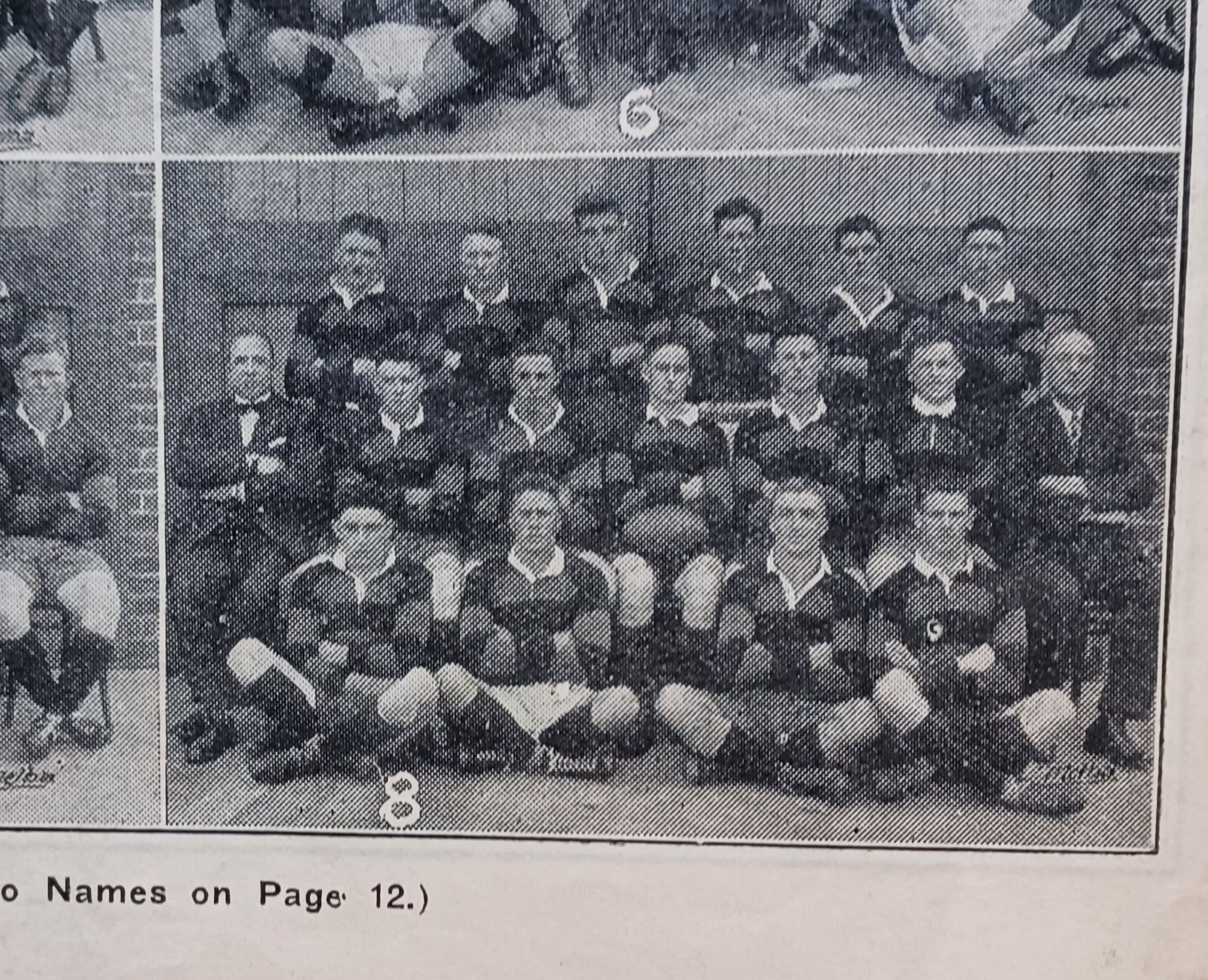
The 1929 South Coast team.
A number of groups are joined together to make a region. In 1928 Group 7 joined with some other groups to make the South Coast region.
A 100 years ago the NSW. Rugby League decided it would conduct a Country Carnival. It was billed as the time the country boys came to conquer the city.
First the country groups would play each other on a Wednesday. On the following Saturday each country group would be matched against a city club.
In 1928 South Coast was matched against North Sydney.
After these the best 26 players from the city teams and country teams would make two teams and play in the annual City/Country clash.
From this clash a NSW. team would be picked and other representative teams.
Most of the time the country boys were outclassed, mainly because they lacked the high fitness levels and combinations of the city players.
One famous example, however, of the country boys winning was in 1971 - it is a game close to Cronin’s heart.
The best moment was when he stole the ball from Arthur Beetson's hand and raced away to score.
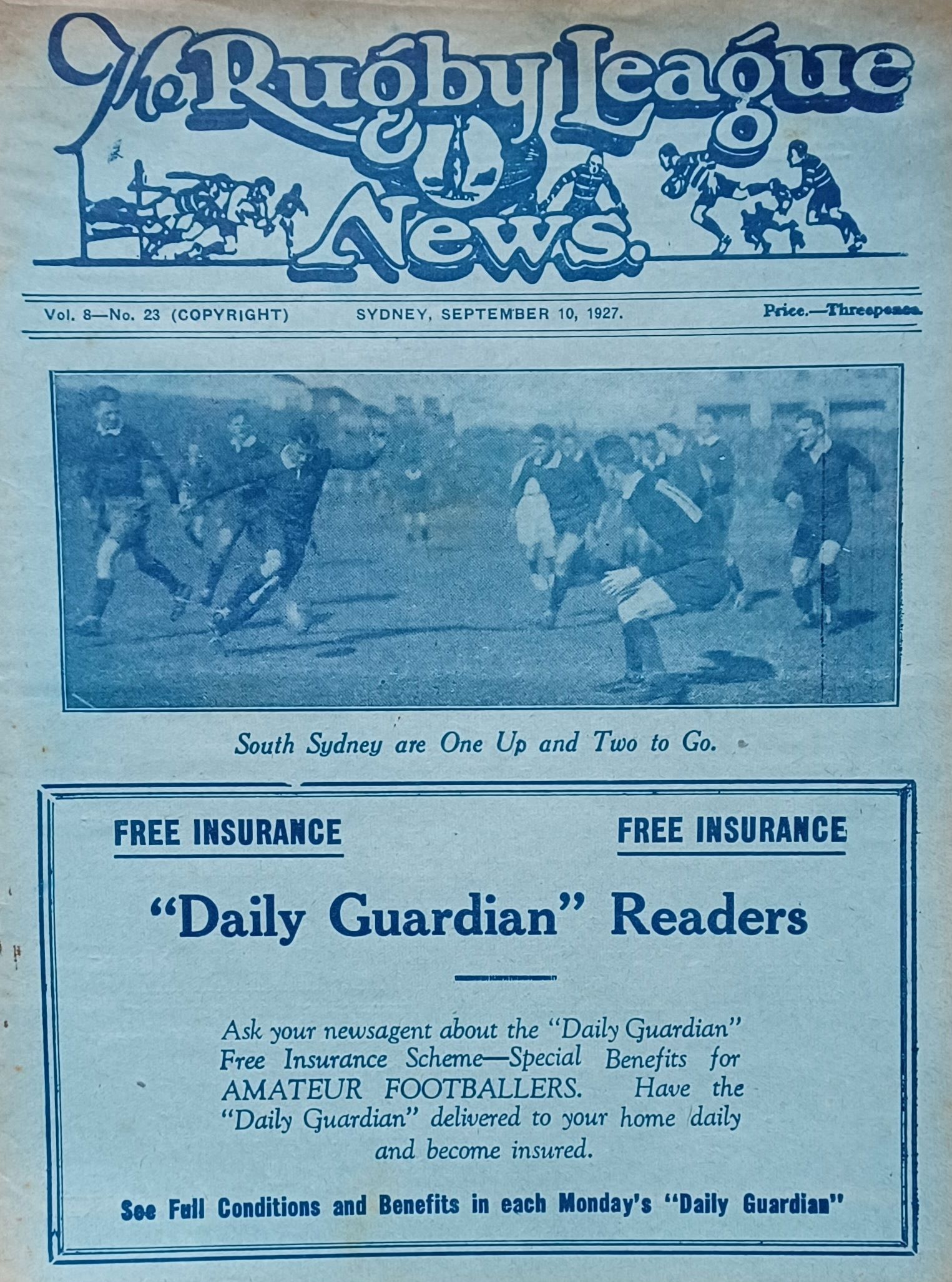
These pages are from The Rugby League News in the late 1920s.
It shows a picture of the South Coast team and a program of the game in 1928. Some names of interest to us are C. Miller from Jamberoo, W. Pike of Kiama and Hedley Chittick of Gerringong.
Miller and Chittick’s names are spelt incorrectly unfortunately.
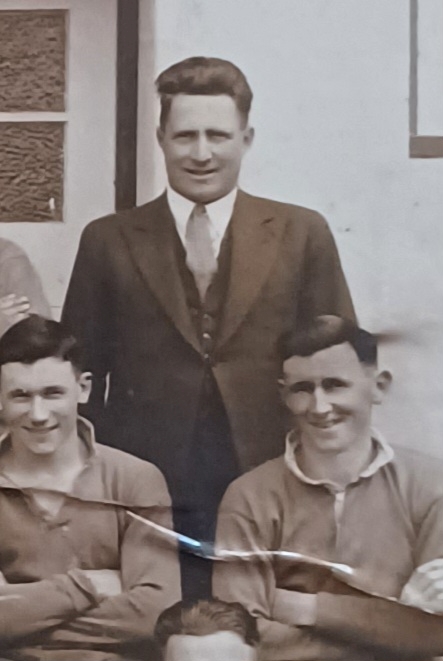
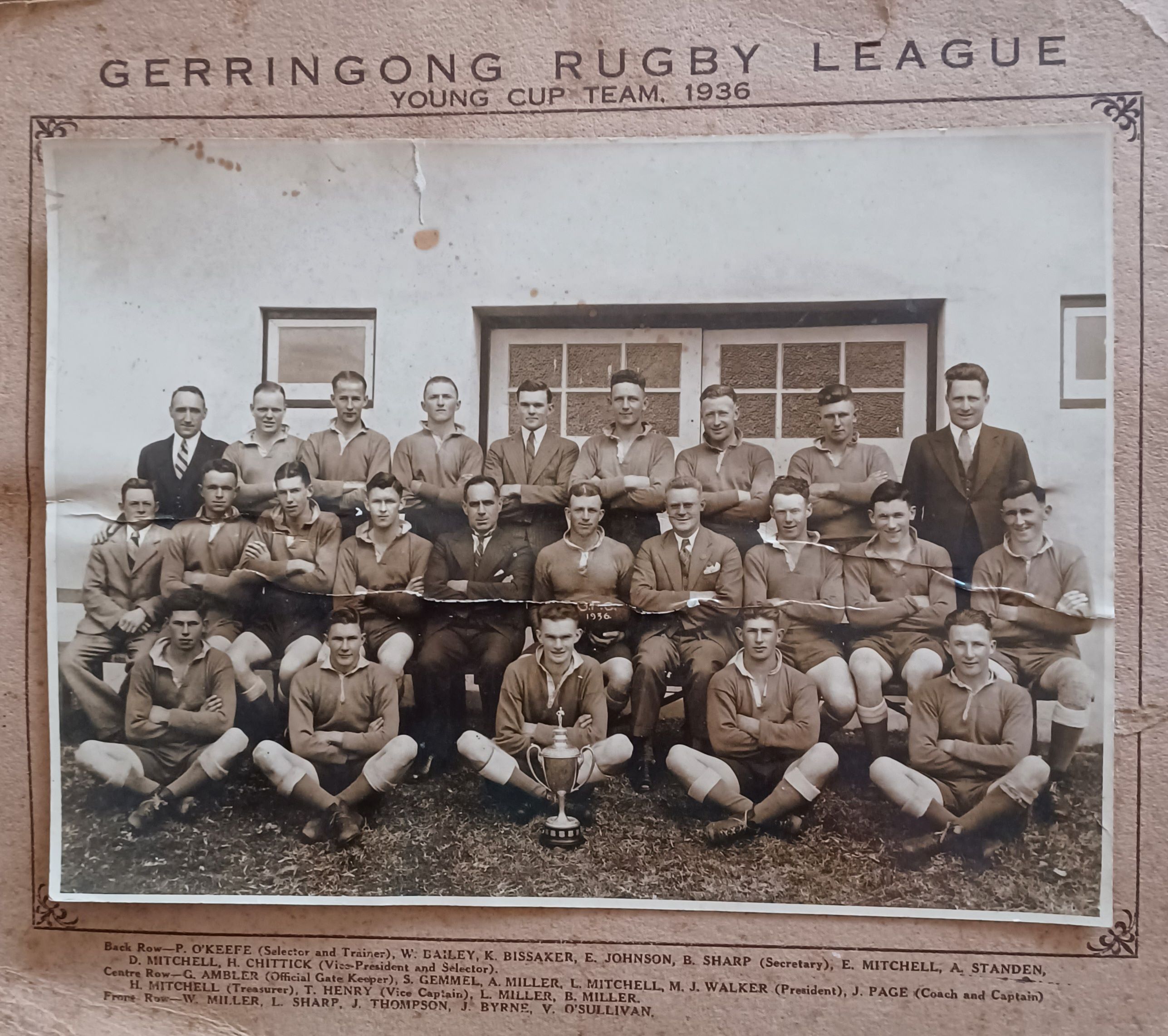
Hedley Chittick.
Hedley’s name came up regularly in the representative teams and he gave sterling service to Gerringong Rugby League.
A sad postscript to Heldley’s story occurred at the start of World War II.
He had been heavily involved in the local defence force when war broke out in 1939.
He tried to enlist in the regular army but was rejected, mainly due to his damaged knees from his football days.
He went to hospital to have an operation to correct the problem but unfortunately, he passed away aged only 35.
The saddest part of the story is he was engaged to be married.